






Industrial Solar
Megawatt-scale rooftop and captive plants engineered for heavy industrial loads.
Why choose Zolar for industrial solar
Energy is a major line item for manufacturers. Our industrial solar plants are engineered for large metal-sheet roofs and open land, integrate with existing HT/LT infrastructure and deliver predictable, low-cost power for decades.
- Reduce power cost by 40–70% on daytime loads
- Hedge against annual tariff hikes for 25 years
- Captive and group-captive open-access options
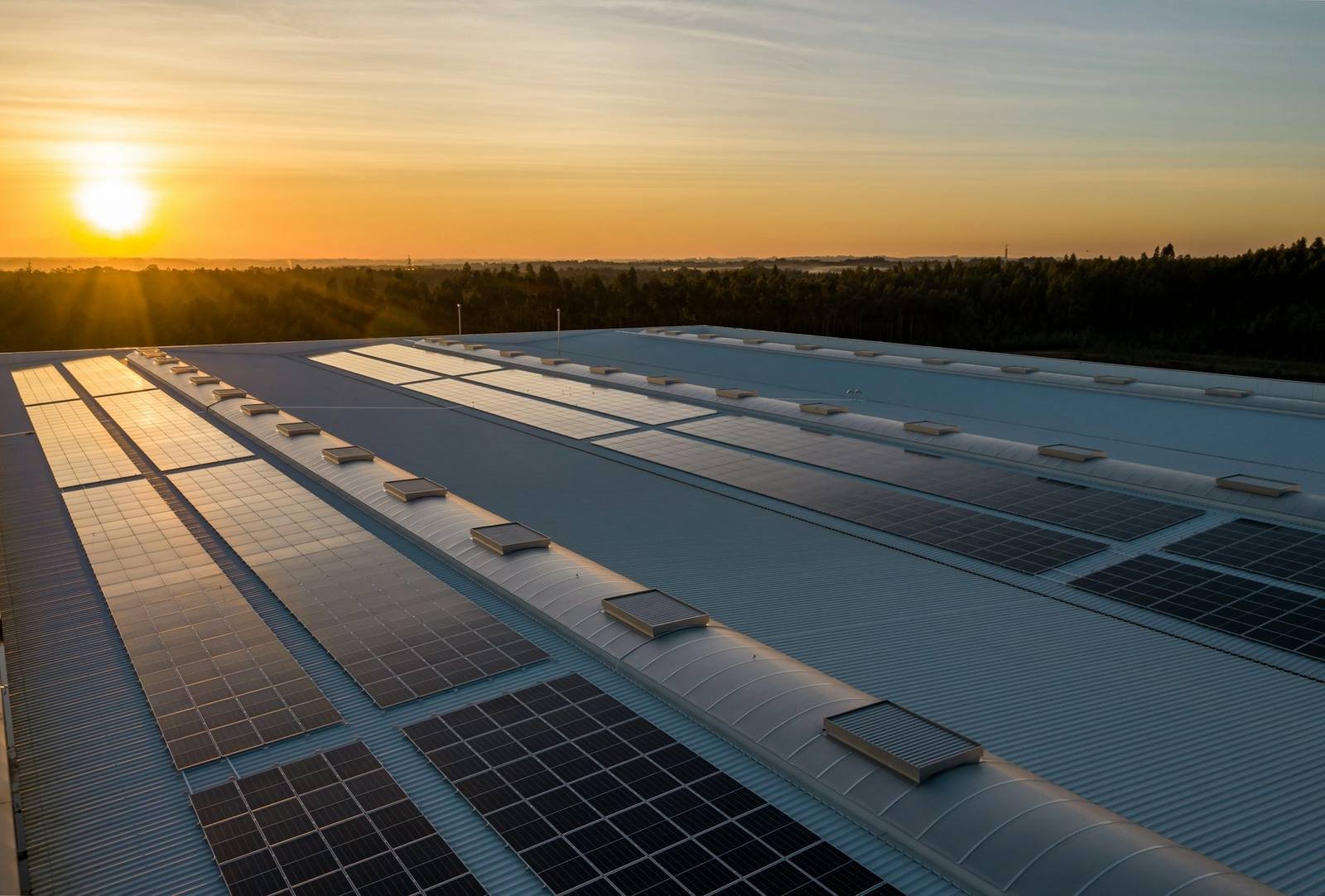
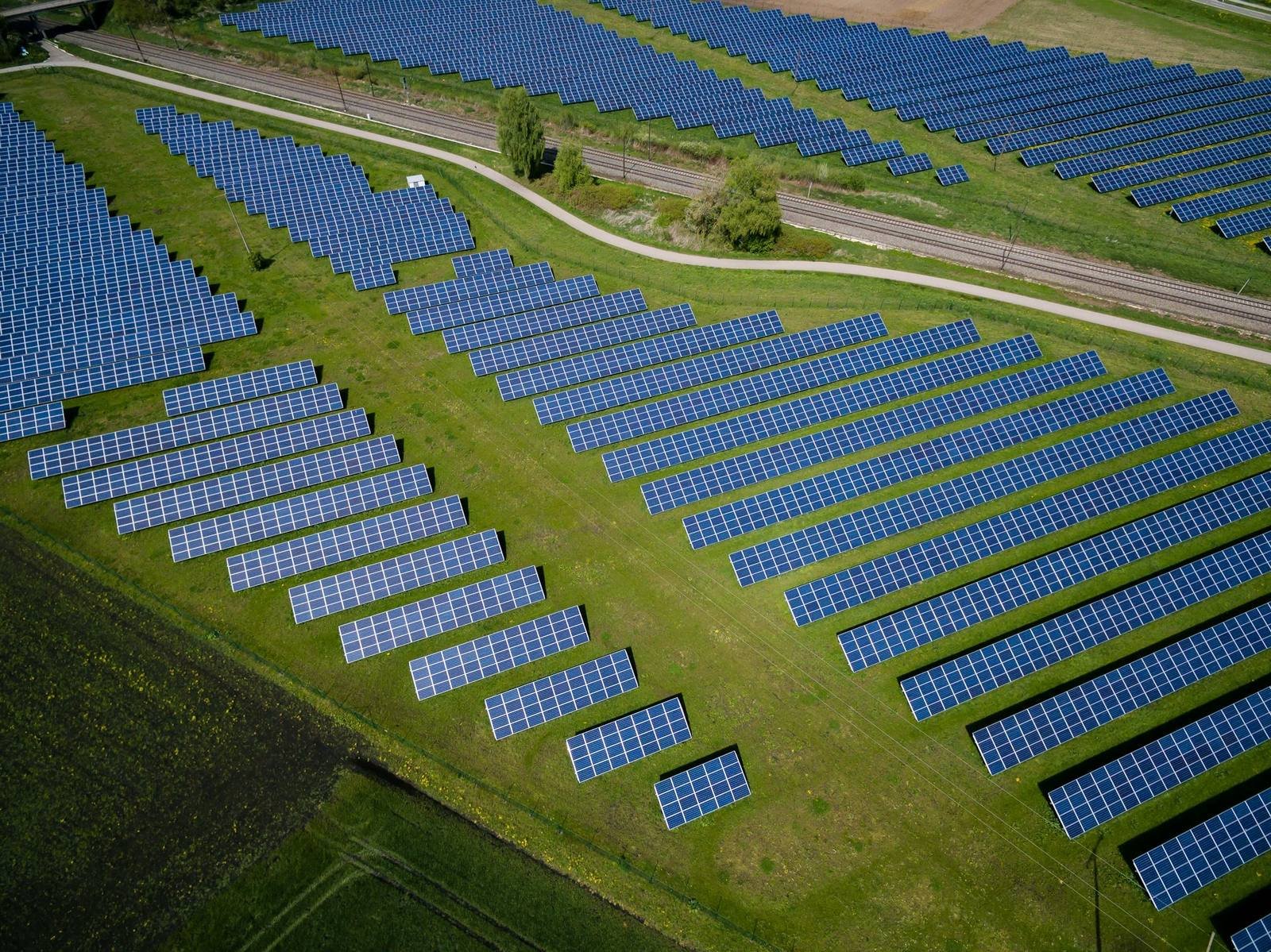
- Engineered for metal-sheet, RCC and ground mounts
- Integration with DG sets and HT panels
- Detailed generation and savings reporting
What's included
Roof structural audit
Load-bearing analysis and purlin-mounted designs that keep roof warranties intact.
HT integration
Transformer, VCB and protection relay design for HT-connected plants.
Safety first
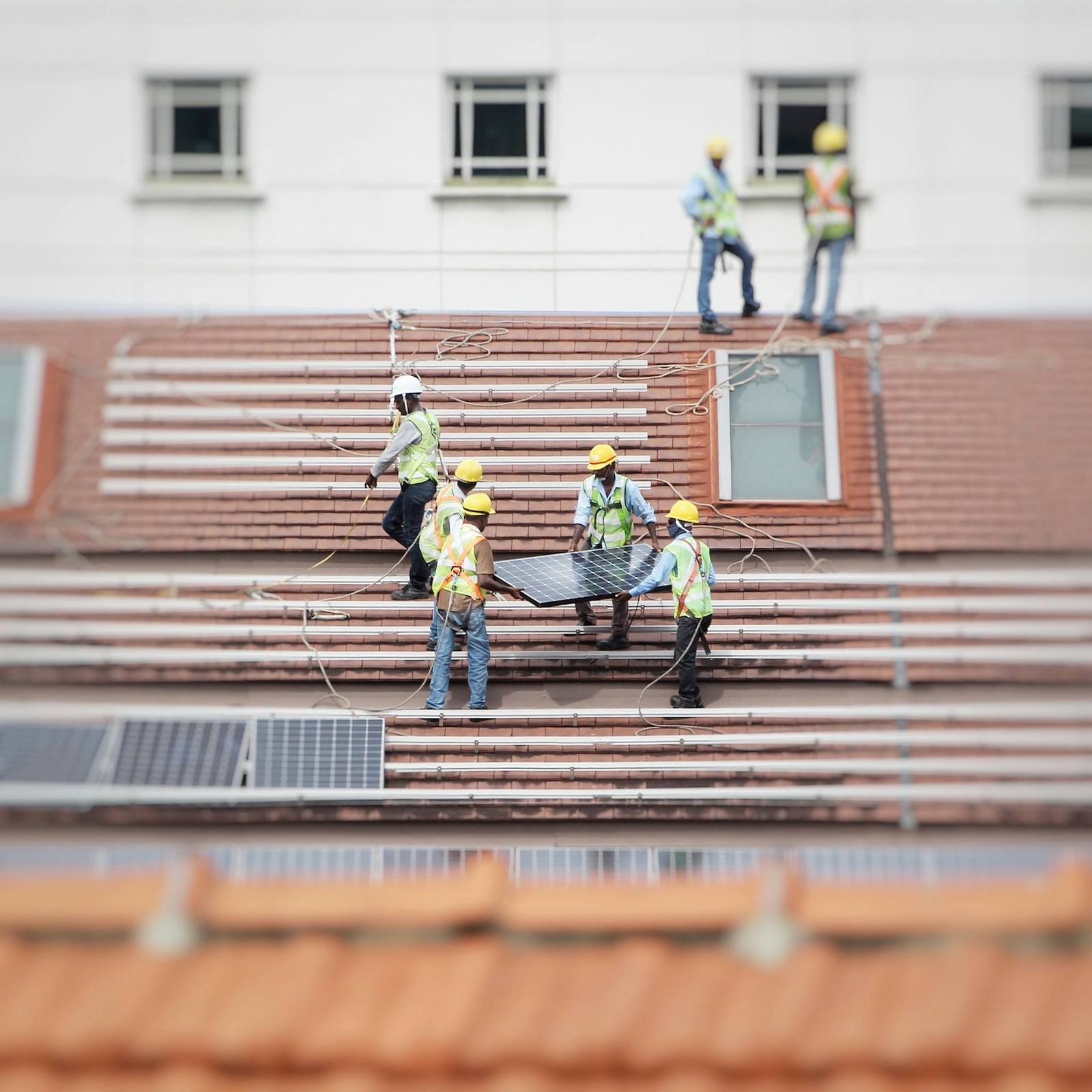
Lifelines, walkways and fire-safety compliant layouts for safe operations.
Long-term O&M
Robotic or manual cleaning, thermography and guaranteed response times.
Ideal for
“A solar plant is a 25-year promise. We engineer it like one.”
— The Zolar promise

Free solar calculator
How much will you save with solar?
Get your recommended system size, subsidy, payback period and 25-year savings in under 60 seconds.
Questions? We've got answers.
Everything you need to know about going solar — costs, subsidy, approvals and maintenance.
For homes, an on-grid system typically costs ₹55,000–₹70,000 per kW before subsidy, depending on brand, structure height and site conditions. Commercial and industrial systems cost less per kW thanks to scale. Use our solar calculator for an instant estimate, then book a free site assessment for an exact quote.
Residential consumers get ₹30,000 per kW for the first 2 kW and ₹18,000 for the 3rd kW — up to ₹78,000 for systems of 3 kW and above. Special-category states and UTs receive higher amounts. Housing societies can also claim support for common facilities. We file and track your subsidy end to end.
Roughly 80–100 sq. ft of shadow-free area per kW. A 5 kW home system needs about 400–500 sq. ft. Elevated structures let you keep using the terrace underneath.
Homes typically recover their investment in 3–5 years after subsidy, and commercial users in 3–4 years thanks to higher tariffs. With panels lasting 25+ years, you enjoy two decades of nearly free electricity.
No — for safety, on-grid inverters shut down when the grid fails so no power flows back to linemen. If you need backup, choose a hybrid system with batteries, which keeps critical loads running automatically.
Tier-1 modules come with a 25–30 year performance warranty and typically degrade only ~0.5% a year. Inverters usually last 10–15 years.